Lip RepositioningLIP REPOSITIONING
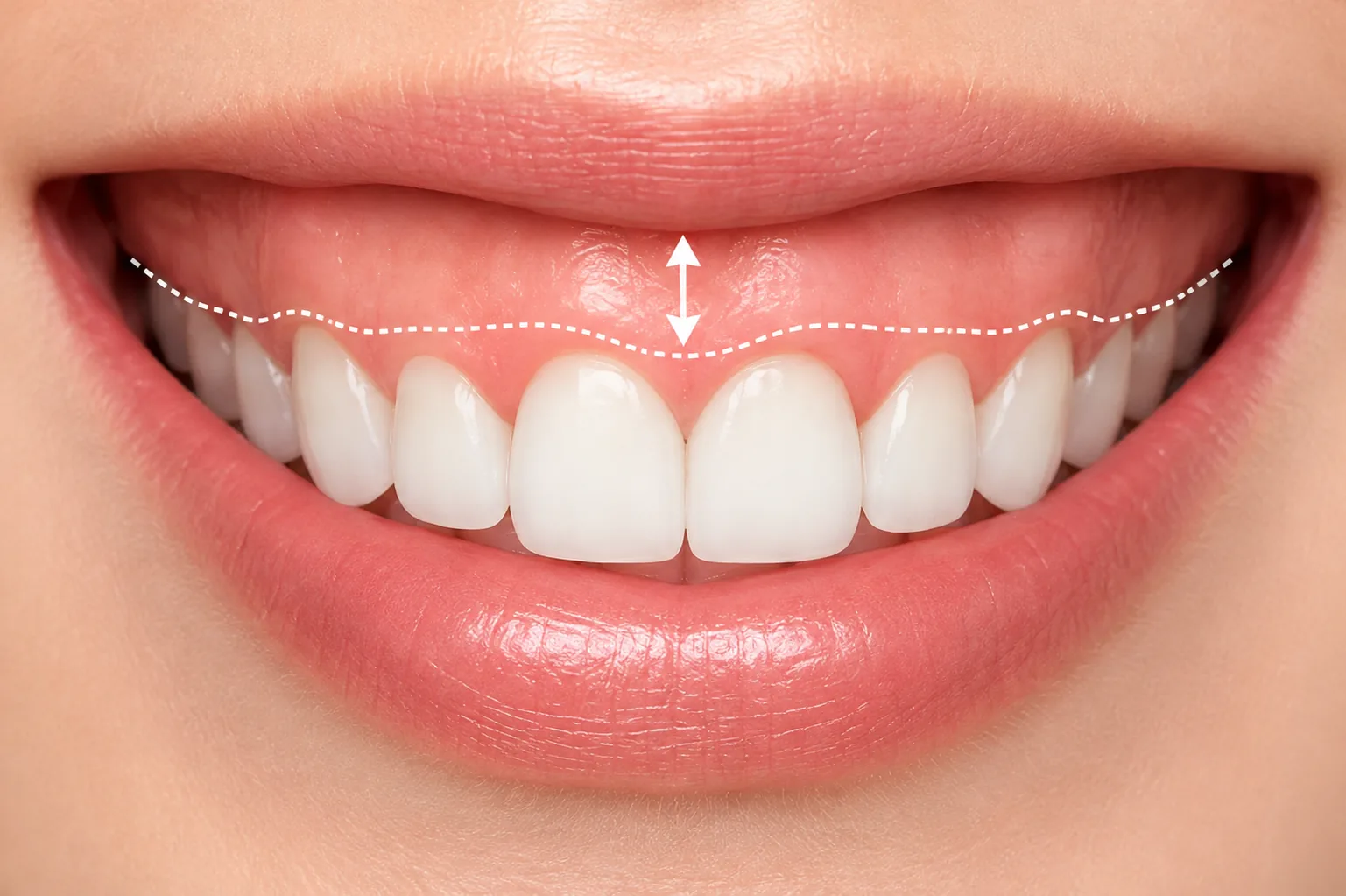
For an upper lip that rises too high when smiling, we reduce how far it rises to improve gum exposure.
Lip Repositioning
A surgery that, when the upper lip rises excessively during a smile and shows a lot of gum, reduces the depth of the oral vestibule inside the upper lip to limit how far the lip rises.
Unlike gum contouring, which reshapes the gums themselves, it aims to reduce the amount of gum shown when smiling by controlling how far the upper lip rises.
How Lip Repositioning Works
The mucosa inside the upper lip is removed as much as needed and sutured to reduce the depth of the oral vestibule. This limits the excessive rise of the upper lip when smiling and reduces the amount of gum shown.


Illustration for explanatory purposes
Lip Repositioning at New York Yonsei Dental Clinic
01Starting with the Cause
We check the strength of the upper lip muscles together with the condition of the gums and alveolar bone.
02Only the Necessary Area
The extent of surgery is decided considering the depth of the oral vestibule, the strength of the upper lip muscles and the degree of gum exposure.
03A Natural Smile
It aims to reduce the excessive amount of gum shown when smiling, without changing your facial appearance.
04Individual Treatment Plan
We also review whether other treatments, such as gum contouring, are needed.
Treatment Candidates
When the upper lip rises excessively when smiling
When a lot of gum shows when smiling
When gum contouring alone is not enough to improve gum exposure
Lip Repositioning Surgical Process

01Consultation and Cause Analysis
We check the depth of the oral vestibule, the strength of the upper lip muscles and the condition of the alveolar bone to determine whether surgery is suitable.
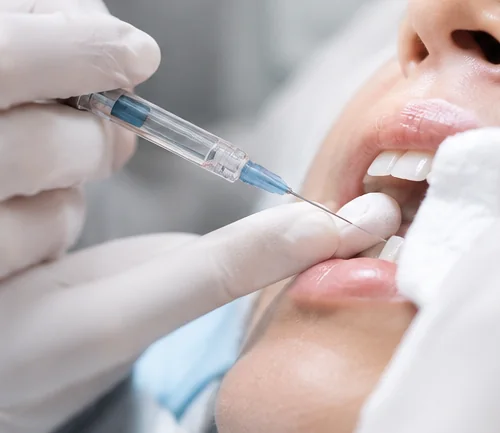
02Anesthesia and Surgical Preparation
Local anesthesia is administered according to the surgical plan, and the extent of mucosal removal is confirmed.

03Mucosal Removal and Suturing
The mucosa inside the upper lip is removed as much as needed and sutured to reduce the depth of the oral vestibule.
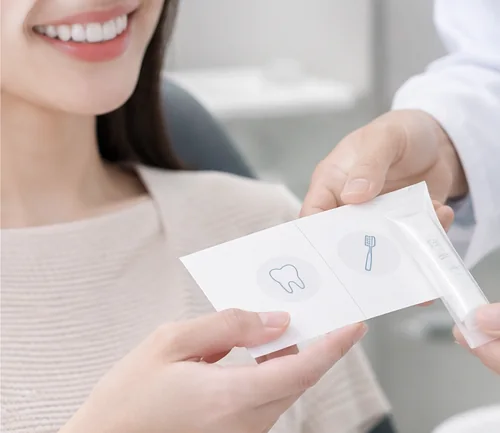
04Recovery and Follow-up
We check the recovery of the surgical area and explain the precautions needed in daily life.
Precautions After Lip Repositioning
Please follow these guidelines so the treated area can heal stably.
Avoid Irritating the Surgical Area
While the surgical area heals, avoid actions that irritate it, such as practicing smiles or moving your lips widely.
Avoid irritating foods.
Avoid hot, spicy or hard foods, and eat mainly soft foods.
Keep Your Mouth Clean
Care for your mouth using the method recommended by the clinic so the surgical area is not irritated.
Check Your Recovery
Please visit according to the schedule provided to check the suture site and your recovery.
Lip Repositioning Cases
Related Treatments
Frequently Asked Questions
Gum contouring is a procedure that reshapes gums excessively covering the teeth so that the natural size of the hidden teeth is revealed. Lip repositioning, on the other hand, is a surgery that reduces the depth of the oral vestibule inside the upper lip to limit how far the upper lip rises when smiling. The appropriate treatment depends on why the gums are highly visible.
Lip repositioning is not a surgery that changes the overall shape of the face; it limits the excessive rise of the upper lip when smiling. It aims to reduce the amount of gum shown when smiling without changing your appearance at rest.
As tissues heal after surgery, the degree of gum exposure may change somewhat. Results generally tend to become relatively stable about 6 months after surgery, but depending on the strength of the upper lip muscles and individual tissue conditions, gum exposure may increase again.
Light daily activities are possible from the day of surgery, but swelling, tightness or discomfort may occur. While the surgical area heals, it is best to avoid laughing widely or straining the lips, and the specific precaution period will be explained based on your recovery.
Because the surgery is performed on the mucosa inside the upper lip, a surgical scar generally does not form on the outside of the lip. However, traces of the suture site or tissue changes may remain inside the lip, and recovery varies from person to person.
New York Yonsei Dental Clinic uses a painless anesthesia system to reduce discomfort. When the anesthesia wears off after surgery, swelling, tightness or discomfort may occur, and the degree varies from person to person.
Yes. When the gums excessively cover the teeth and the gums are also highly exposed due to the strength of the upper lip muscles, both treatments can be considered together. The appropriate treatment is decided after checking the condition of the gums and alveolar bone, the depth of the oral vestibule and more.